

Welcome to Bergeron & Veilleux Dental Center
Welcome to the Bergeron & Veilleux Dental Center
Our dental clinic offers a wide range of general dental care. We also perform orthodontic treatments and dental implants. In short, whether for a simple cleaning or more complex surgery, we offer everything under the same roof!
In order to provide you with the best dental care, our clinic has state-of-the-art equipment. Dental lasers, digital radiology, and 3D scanners are among the advanced tools that our dentists use daily. Of course, all treatments are provided in a warm and relaxed atmosphere. Reveal your smile!
Dr Charles Veilleux
Dr. Charles Veilleux obtained his doctorate in dental medicine in 2000 from Université Laval. Since then, he has developed expertise in several fields and has discovered a particular interest in orthodontics. Also a graduate of the Institut Dentaire International in orthodontics and a member of the International Association of Orthodontics, he will be able to meet all your dental needs.
Dr. Veilleux is passionate about sports, particularly running, mountain biking, downhill skiing, and CrossFit. As a father of two girls, he loves playing board games with them. And he is spoiled for choice since he has nearly 1,000 in his library!
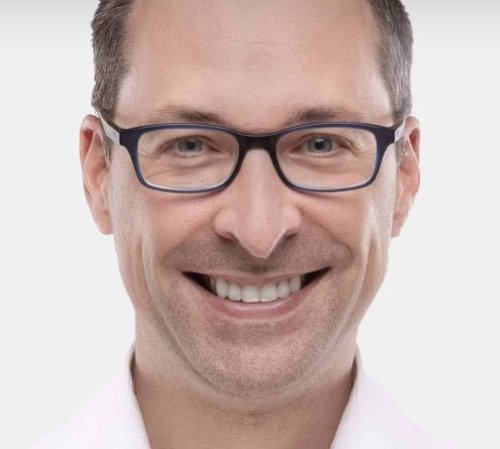

Dr Mathieu Bergeron
A 2000 graduate of Université Laval in dental surgery, Dr. Mathieu Bergeron continued his training in several fields to offer his clients the best treatments. In particular, he obtained his diploma from the Canadian Institute of Implantology in 2011 to perform dental implants.
From 2008 to 2011, he taught dentistry to students at Université Laval to help them in their academic journey.
A father of two young daughters, Dr. Bergeron enjoys spending time with his family when he is not working. He also practices several sports, including golf in the summer and downhill skiing in the winter. If you live in the area, you may come across him, on a Saturday or Sunday, perched on his motorcycle!
Reveal your smile
The Bergeron & Veilleux Dental Laser Center offers you the best of both worlds: cutting-edge equipment and a team that listens to your needs.
From the painless technology of lasers to the brilliance of Zoom whitening, the precision of digital X-rays, the durability of CEREC 3D, and the discretion of Invisalign aligners, our clinic has everything you need to reveal your most beautiful smile!
Human and dedicated
The Bergeron & Veilleux Dental Laser Center owes its strength and success to its team of qualified professionals, who prioritize a human and personalized approach. At each of your appointments, you will rediscover the ultimate experience of painless dentistry.
Mission
“Using the latest technology and a service focused on the human approach to reveal your smile.” »
Have you always wanted to smile with all your teeth, but your confidence is affected by the aesthetics of your teeth? Your dream starts here, with the first appointment that will change your life forever.
Orthodontics
If you are unhappy with the appearance or functioning of your teeth, orthodontic treatment may be recommended. Today, these treatments are intended for young children, adolescents, and adults.
Dental Laser
Laser technology allows dentists to offer a wide range of dental treatments, including cosmetic dentistry such as dental surgeries and repairs.
Implants Dentaires
Dental implants are an aesthetic, ideal, and long-lasting solution to replace a missing tooth and avoid moving the rest of your teeth.
Dental Care
Jaw and occlusion disorders
Symptoms of Dental Occlusion
Jaw and dental occlusion disorders manifest themselves in different ways. Here are some of the most common symptoms.
Jaw Pain
Jaw pain can come from muscles, bones, ligaments, and even nerves. After performing a thorough dental examination including X-rays and/or magnetic resonance imaging, Dr. Mathieu Bergeron will suggest the most appropriate treatments for your situation, whether it involves fitting an occlusal splint, balancing your teeth, or surgery.
Cracking or cracking of the jaw
Like the knee, the jaw joint has cartilage called the meniscus. When it moves and gets stuck between two bones, the jaw sometimes makes a cracking noise. This movement can cause, among other things, poor growth or jaw pain, muscle tension, poor tooth alignment, etc. It is therefore important that the dentist examine your mouth to offer you appropriate treatment.
Locked, open, or closed jaw
Closed jaw: Is your jaw locked and can no longer open? This could be due to one of the following reasons:
Your meniscus, a cartilage in the jaw, has become stuck in the joint. The physiotherapist can help you by manipulating your jaw. At the same time, the dentist will fit an occlusal splint and work on balancing your teeth. Sometimes, surgery will be required. Appropriate medication will be added to this.
You have had a muscle spasm. This type of blockage is harder to treat. The dentist will then work in collaboration with the physiotherapist to relieve you.
Open-jaw: The jaw can remain locked open if its lower part has come out of its socket. Very specific manipulations carried out by the physiotherapist will help to remedy the problem.
Arthritis/Osteoarthritis of the Jaw
While arthritis of the jaw (i.e., a problem related to the body) is quite rare, osteoarthritis (i.e., a joint that deteriorates) is very common. The dentist must make a precise diagnosis to know what care to provide (medication, rest, occlusal plate, balancing of the occlusion, surgery, etc.).
Tension headaches/migraines (headache)
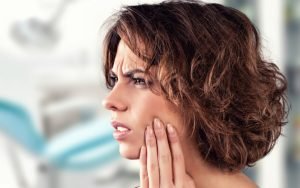
Most headaches are located on the side of the head, behind the eyes, or behind or on top of the head. If they are on the side of the head or behind the eyes, the jaw is almost always the main cause. If they are behind or on top of the head, the neck is the cause, with the jaw as a secondary component.
If you have already consulted a doctor, you can come and see us. We will check if your teeth or joints are playing a role in your headaches. An occlusal splint or balancing of the occlusion of the teeth, accompanied by physiotherapy sessions, can relieve you.
Otitis – false otitis – earache
Have you seen the doctor or ENT for your earaches, but they found nothing? The jaw joint could be the cause! Make an appointment with us! We will suggest an appropriate treatment.
Pits or notches in teeth near the gumline (abstraction)
Abfraction is a microfracture that involves the chipping of the enamel at the gum line. It can cause pain. The dentist will fill the pit with a white filling and place a night guard or perform a tooth balancing.
Toothache – teeth sensitive to cold, hot, and sugar
Most often, when teeth are sensitive to cold, hot, or sugar, it is because the nerve of the tooth is irritated by “occlusal trauma”. This means that the tooth is under more pressure than the others. Desensitizing toothpaste will help, but eliminating the excess pressure with an occlusal splint or teeth balancing will be even more effective.
Eye pain – pain (ache) behind the eyes – pressure behind the eyes
The temporal muscle that is used to clench the teeth slips behind the orbit. If it is tense, it can cause pain or pressure behind the eye. If you have already seen the optometrist or doctor and they have not found any disease, come see us! Temporal muscle tension could be the cause of your pain. An occlusal splint or teeth balancing will help.
Numbness in the face: lips, cheek, jaw
Have you seen the doctor because you have numbness in the skin of your face in the area of your lips, cheeks, or jaw, but he found nothing? Your clenching or grinding of your teeth may be the cause. An occlusal splint or teeth balancing, accompanied by physiotherapy sessions, will relieve you.
Back pain (backache)
Upper back pain can be caused by poor head posture, which in turn is caused by an imbalance of the teeth and jaw. A night guard or teeth balancing can help.
Imbalanced bite/malocclusion
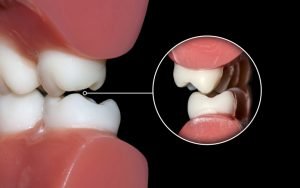
Malocclusion, or a bad relationship between the upper and lower teeth, creates an imbalance and compensations that cause your teeth, bones, muscles, and joints to wear out or degenerate faster than expected.
The occlusion is said to be "unbalanced" when the forces, pressures, or points of contact are unequal or poorly directed. This can result in cracks, fractures, tense muscles, pain, etc.
We will identify the type of malocclusion you have to offer you the best treatment.
Bruxism or hyperactivity of the jaw muscles
Bruxism (teeth grinding) can cause damage to teeth, muscles, bones, joints, and nerves. It could come from, among other things, malocclusion, joint problems, or even sleep apnea. The dentist will relieve you and protect you from your habit by combining various treatments.
Teeth clenching
Teeth clenching can cause as much damage as bruxism, even if it is silent. The solutions are the same as for bruxism, i.e., occlusal splint, tooth balancing, and reconstruction of worn teeth with crowns.
Worn teeth, cracked teeth, and tooth fractures
If you clench or grind your teeth, you risk wearing down your teeth prematurely, cracking them, or breaking them. To prevent this, your dentist will suggest an occlusal splint, tooth balancing, or the fitting of crowns.
Loose teeth
The main cause of loosening teeth is clenching and/or grinding. To prevent this, your dentist will suggest an occlusal splint, teeth balancing, or crowns.
Small jaw/recessed or receding chin
A small jaw or a deviated jaw can cause significant problems. After performing an X-ray or MRI, the dentist will identify the origin of the problem, which may be genetic or due to a growth defect. He will then suggest various treatments, including orthodontics or surgery.
Labyrinthitis, dizziness, Meniere's syndrome
Do you suffer from labyrinthitis, dizziness, or Meniere's syndrome? The fitting of an occlusal splint or teeth balancing could solve your problems.
Neck pain
Grinding your teeth can cause pain in the neck area. Combining physiotherapy, osteopathy, or chiropractic treatments with splints and teeth balancing will help reduce your symptoms.
Sinusitis (chronic sinusitis)
The pressure generated in the upper jaw by clenching or grinding your teeth irritates the sinus membrane in chronic sinusitis. A splint or teeth balancing may reduce these symptoms.
Tinnitus
Sometimes tinnitus can be caused by excessive pressure from the jaw on the inner ear. A splint or teeth balancing may help reduce your symptoms, although tinnitus is rarely completely resolved.
Dental Restauration
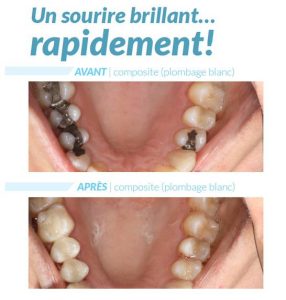
What is composite resin?
In order to offer a quality product, our clinic uses composite resins for dental fillings, made from a polymer and very hard small particles.
Advantages
- They replace broken or lost dental restorations in premolars, molars, and anterior teeth.
- White dental fillings are aesthetic because they match the color of your teeth.
- They adhere to the tooth optimally thanks to the application of several successive layers.
To learn more about our dental restorations, contact us now!
Dental Surgery
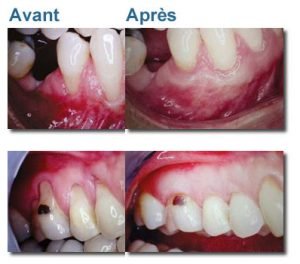
Gum grafting: an excellent result!
Gum grafting, performed by an experienced dental surgeon, is recommended in cases of gum recession. Gum grafting preserves the existing gum while stopping the progression of gum recession. For this dental surgery, we use human cell gum treated so that it is completely inert and sterile. Compared to gum taken from your palate, the advantage of this technique is that there is only one surgical site, which helps to significantly reduce sensitivity.
Root Canal Treatment
The solution to save your teeth!
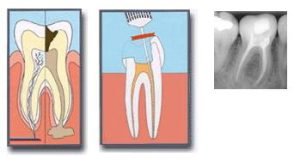
Is the nerve of your tooth infected? A root canal treatment will allow you to avoid extraction! Your other teeth will thus be able to maintain their good alignment and will not cause you any jaw problems. Consult us quickly, and we can save your teeth and save you a lot of hassle!
Root canal treatment in 5 steps
- Under local anesthesia, the dentist makes a small opening in the tooth to access the canal where the damaged pulp is located.
- He cleans the canal by widening it and then disinfects it.
- He then fills the canal with a material that looks like rubber and seals everything.
- The dentist finishes the work by filling the cavity or the outer part of the tooth.
- A crown is by far the best treatment to follow the root canal treatment. It will prevent the fracture of the tooth, which is already more fragile.
Dental Implants
Reveal your smile with implants!
Aesthetics & Comfort
To replace a missing tooth and avoid moving the rest of your teeth, dental implants are an aesthetic, ideal, and durable solution. In the form of titanium roots placed in the jawbone, they replace the root of the missing natural tooth. They then serve as anchors to accommodate the prosthesis, which will restore the sparkle to your smile.
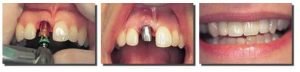
Benefits:
- Bone mass preservation
- Maximum strength and stability
- Optimized chewing and speech
- Aesthetics and comfort
- Easy to maintain
Regaining self-confidence with healthy teeth is priceless. Contact us to learn more about implants.
Wisdom teeth extraction
Prevention is better than cure…!
It is important to monitor the condition of your wisdom teeth. Don’t wait until pain or infection sets in to take action! During your next cleaning, ask for a digital X-ray. This could save you from unpleasant surprises!
Orthodontics
Do you want a more beautiful smile and correct the position of your teeth? Orthodontics is an excellent solution!
If you are unhappy with the appearance or function of your teeth, orthodontic treatment may be recommended. Today, these treatments are intended for young children, adolescents, and adults.
A screening exam can detect whether your child is at risk of having orthodontic problems. He or she will then receive “interceptive” orthodontic treatment, that is before all the permanent teeth appear.
The benefits of orthodontics:
- Aligns teeth to improve their appearance and function
- Improves facial aesthetics and jaw muscle function
- Restores teeth to their desired position
- The disadvantages of misaligned, crowded, or protruding teeth:
- Hinders appearance and self-confidence
- Causes articulation problems
- Makes it difficult to chew certain foods and causes premature wear of teeth
- Promotes muscle tension and pain
- Makes brushing difficult, promoting cavities and gum disease
- Can affect occlusion (the way your teeth fit together)
- Can chip or break easily in the case of protruding teeth
Do you want to finally reveal your smile? Ask your dentist today!
Invisalign
Dental technology has evolved considerably in recent years. Gone are the days of ugly metal braces! Thanks to Invisalign, it is now possible to realign your teeth discreetly and with maximum comfort.
Advantages of Invisalign aligners:
- Translucent (virtually invisible)
- Very comfortable
- Removable
- Virtually zero risk of irritation (no wires or braces)
- Smooth movement
Steps for orthodontic treatment with Invisalign aligners:
- Creation of a virtual 3D model of your teeth using specialized software
- Visualization of the millimeter-by-millimeter movement of your teeth over the weeks with the dental professional
- Design of translucent personalized aligners using the virtual model
- Substitution of personalized aligners as your teeth move
Esthetics
Teeth Whitening
To create a WOW effect!
Are you concerned about the color of your teeth? The color of your teeth is influenced by several factors that are an integral part of your lifestyle, and only teeth whitening can give you a bright smile:
- Tobacco
- Coffee
- Tea
- Red wine
- Pollution
- And many others!
Zoom!
Ready for a star smile? Just one session and "Zoom!"... the results are instantaneous!
Veneers
Reveal your smile with veneers!
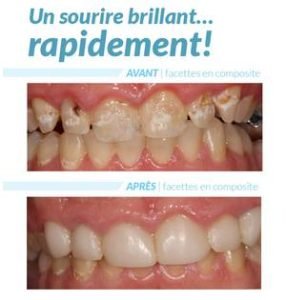
Having beautiful teeth is no longer a long and tedious process. With composite or porcelain veneers, you will get a smile like you see in magazines!
Composite veneer
It covers the visible part of the tooth and adheres to it chemically by etching. The result is impressive, in a very short time!
Advantages:
- Made at the chairside in one treatment
- Less expensive than porcelain veneers
- Conservative and reversible treatment
Porcelain veneer
This is a porcelain covering affixed to the visible surface of the tooth by cementing.
Advantages:
- Made in a professional laboratory.
- More resistant than composite veneers.
- Natural appearance and optimized longevity.
- Unparalleled aesthetics!
Veneers are a quick, affordable, and very aesthetic solution for a healthy smile. Contact us for more information.
Crowns & Bridges
Crown
A dental crown is used to restore a tooth that has had a significant cavity or that has already undergone a fracture or root canal treatment. Various materials can be used to make it. A crown is mainly used to restore strength to the tooth, but it is also very popular to enhance the smile.
Fixed Bridge
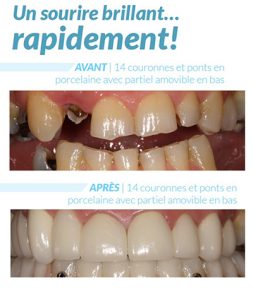
A fixed bridge is a permanent solution used to replace missing teeth. It consists of one or more artificial teeth fixed between two crowns to fill the space in the edentulous area.
Advantages of a dental bridge:
- Cover an unsightly space
- Avoid premature tooth wear
- Improve chewing and speech
- Prevent migration of adjacent teeth
Butterfly bridge
A butterfly bridge is a temporary dental replacement solution. This name is used because of its particular shape, namely an artificial tooth (butterfly body) with two metal fins (butterfly wings), which are glued to the posterior surface of the teeth adjacent to the one that needs to be replaced.
By using a butterfly bridge, you are less likely to damage the teeth on which the fins rest.
Injection of neuromodulators
Offered by Dr. Bergeron, neuromodulator injections target the upper part of the face to smooth expression lines—such as crow's feet, frown lines, and forehead wrinkles—and can also help reduce the effects of bruxism, such as clenching or grinding teeth. A solution that is both aesthetic and therapeutic, for a relaxed and harmonious face.
Technologies
Dental Laser
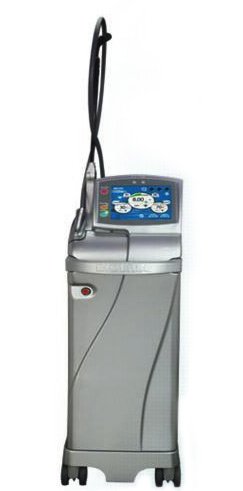 Optimal precision, painless treatment!
Dental laser is a technology that allows dentists to offer a wide range of dental treatments, including cosmetic dentistry such as tooth surgeries and repairs.
- The procedure is sterile, effective, and painless
- The tool does not produce any vibration
- The treatment time is shorter and healing is faster
Dental laser can:
- Reduce germs
- Prevent or repair cavities
- Treat abscesses
- Treat gum problems
- Treat ulcers and cold sores
- Perform some minor surgeries
Zoom Whitening
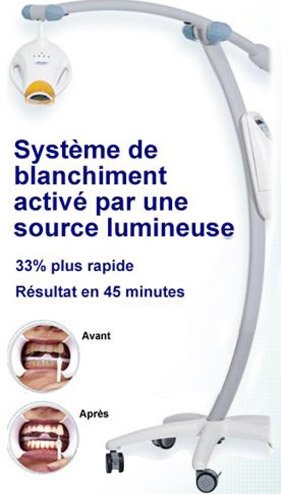
Zoom Light Activated Teeth Whitening System is a patented, scientifically-developed teeth whitening procedure. It’s safe, effective, and fast. Very fast! In just one appointment, your teeth will become noticeably whiter.
“Zoom” Your Smile in 3 Easy Steps
- Your lips and gums are covered to expose only your teeth for treatment.
- The dentist applies Zoom Advanced Whitening Gel!
- The Zoom! Light and Teeth Whitening Gel work together to penetrate your teeth, removing all stains and discolorations gently
Cerec 3D
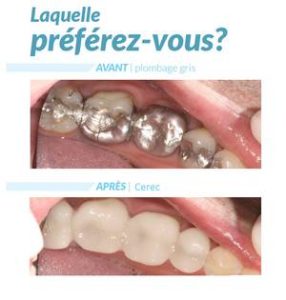
The crown, reinvented!
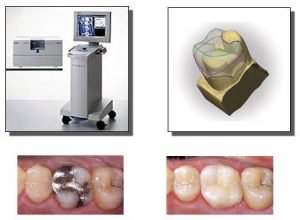
CEREC is a computerized technique that allows teeth to be repaired in a single visit using a computer-made crown.
Advantages of CEREC:
- Firmly fixed, it limits the risk of recurrence of decay.
- Perfectly compatible with dental tissues.
- Treatment in a single appointment.
DIAGNOdent
A diagnosis that avoids unpleasant surprises!
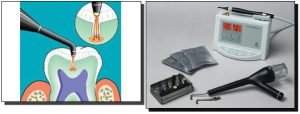
DIAGNOdent detects in depth the most subtle cavities, even those that are lodged in closed cavities, undetectable by traditional diagnostic methods.
This proven laser technology allows you to predict any anomaly that could worsen if not caught in time.
Advantages:
- Safe
- Precise and reliable
- Easy to use
Digital Radiography
To see more clearly!
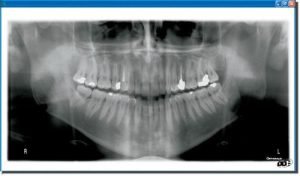
Digital X-rays produce better-quality images than traditional radiology. In addition,
- It reduces radiation by about 75%.
- It allows dental structures to be seen more precisely.
- It appears instantly on the computer screen.
- It is easy for the patient to see.
Our clinic has the best technology to offer you optimal and safe service. Make an appointment to take a new look at your teeth!
Velscope
The Velscope could save your life!
Velscope is a revolutionary tool for detecting oral abnormalities such as cancers. Its blue light makes the natural fluorescence of tissues appear. Healthy tissues reflect this fluorescence while abnormal tissues appear as a dark mass.
Using the Velscope, several oral abnormalities can be detected before they are even visible to the naked eye. By discovering these abnormalities early, we can, among other things, more easily treat oral cancer, before it spreads over a larger area. We therefore recommend using the Velscope on a regular basis, at least once a year.
In addition, the Velscope is:
- Completely safe
- Simple to use
- Painless
- Fast
First visit
You must first complete a form collecting details about your health status before your first appointment at the clinic. To speed up the process, we invite you to complete this form at home:
Download the form (pdf format) via this link.
Fill out and print the form.
Bring the form to your first appointment.
In case of cancellation of an appointment, we ask that you notify us by phone or email at least 48 hours in advance, otherwise, you will have to pay a service fee.
Precautions before, during and after implant surgery
Here are the precautions to take before, during and after implant surgery.
Take your medications as prescribed by your dentist.
Before the operation (the week before surgery):
- If you are a smoker, rinse your mouth with warm salt water, 3 times a day during the week before surgery (1/2 teaspoon in a glass of warm water).
- Refrain from taking aspirin ten days before the procedure.
- Have a responsible person accompany you on the day of surgery if you have taken a medication that causes drowsiness.
The day of surgery and the following 24 hours
- It is not necessary to fast on the day of surgery.
- In order to be completely comfortable, wear comfortable clothing.
- Take your medications as prescribed by your dentist.
- Do not touch the site where the operation was performed with your fingers or tongue.
- It is normal for your saliva to be tinged with blood for about a day.
- Place your head on a pillow when you lie down or sleep.
- Do not rinse your mouth for 24 hours.
- Apply an ice pack wrapped in a damp towel for at least 15 minutes every hour.
- Restrict your diet to a soft diet (one that does not require chewing).
- Clean the site of surgery with
- Chlorhexidine and Q-Tips three to four times a day.
- Pain is normal, although it varies from person to person.
- AVOID OVEREXERCISE.
The days following surgery
- After meals and for three weeks after the procedure: gently brush your teeth, including the operated area and the stitches, with the surgical brush that we have provided.
- It is strongly advised not to smoke, as nicotine can interfere with healing.
- To rinse your mouth, use the Chlorhexidine mouthwash that will be prescribed to you (in case you do not have any mouthwash left, use a mixture of ½ teaspoon of salt in a glass of warm water and then rinse).
It is normal for:
- Swelling to occur, peaking 48 to 72 hours after surgery. It will disappear within the next ten days.
- Bruising will occur. No treatment is indicated. Everything will return to normal within about two weeks
Stitches
- The stitches are absorbable but can be removed in three weeks.
- The diet should be soft (pureed) for the first day. Refrain from chewing with the operated area for the next few months.
- After three weeks, a follow-up appointment will be made to remove the stitches and check healing.
Diet after surgery
- Avoid any acidic drinks (tomato juice, carrot or vegetable soup, orange juice, and apple juice).
- These foods could cause burning sensations at the site of surgery.
- Avoid croutons, raw vegetables, toast, steak, and leaf salad (because of the shearing effect).
- If you have a temporary tooth, NO chewing is allowed, as this could cause breakage and failure of the treatment. In addition, fees will apply to redo the temporary tooth.
In case of any complication or problem, contact us at 418 844-2056.
Precautions before and after an allogeneic transplant
Here are the precautions to take before, during and after an allogeneic transplant.
Before the operation
- Do not take any aspirin 10 days before the operation.
- Do not drink alcohol 24 hours before the operation.
- Take your medication as recommended.
After Surgery
- Do not smoke until your next appointment, as this may cause the surgery to fail.
- Do not drink through a straw or spit.
- Do not touch the surgical site with your fingers or tongue.
- Do not use commercial mouthwash until your dentist says you can. Do not floss the graft area.
- After meals, gently brush your teeth, except for the surgical site and stitches. Gently brush the surgical site with the surgical toothbrush and Chlorhexidine.
- Gently clean the surgical site with Chlorhexidine and a Q-Tip, 3 to 4 times a day; start 24 hours after surgery.
- To rinse your mouth, use Chlorhexidine mouthwash. If you run out, use a mixture of ½ teaspoon of salt in a glass of warm water. Do not use a commercial mouthwash.
- The stitches will be removed 3 weeks to 2 months after the procedure depending on the situation.
It is normal for:
- Swelling and bruising appear on the face. Apply an ice pack wrapped in a damp towel for 15 minutes every hour for the first day. Maximum swelling will be reached over a period of 2 to 3 days and will decrease thereafter.
Saliva will be blood-tinged for about a day. Chew on the side opposite the graft for three weeks following the procedure.
In case of any complication or problem, contact us at 418 844-2056.
Post-operative advice
Precautions to take after wisdom teeth extraction
- Take your medications as directed.
- Clench your teeth on the gauze for one hour: do not touch the treated area with your fingers.
- Do not rinse your mouth for 24 hours: avoid rinsing your mouth by spitting, drinking with a straw and doing physical exercises for the first 72 hours, to avoid bleeding.
- SMOKING IS STRICTLY FORBIDDEN.
- Mouthwashes are recommended: (only 72 hours after the procedure) salt water or mouthwash especially after meals for at least 15 days to facilitate healing (1 teaspoon of salt in 1 glass of water).
- The stitches will fall off by themselves, within 4 to 10 days.
Diet
- Cold or warm fluids can be taken for 4 to 6 hours after returning home. After that, a gradual soft diet is recommended.
It is normal for:
- Saliva to be slightly bloody for about a day. If actual bleeding occurs, fold a gauze pad into a firm pad and place it directly on the operated area, maintaining pressure for an hour. Cover your pillow with a towel to avoid staining it.
- If swelling occurs, it will peak within 48 hours and then disappear within seven to ten days. Apply ice intermittently during the first day (15 minutes per hour). If swelling persists after 48 hours, switch to a hot water bag (15 minutes per hour). Place your head on two pillows to sleep to prevent swelling.
- Skin discoloration (bruising, bruising) may occur. This will disappear after about a week.
In case of any complication or problem, contact us at 418 844-2056.
After Tooth Extraction
To speed up the healing process, please follow the suggested measures below. However, please keep in mind that it is completely normal to feel some discomfort from having a swollen lower face after tooth extraction.
Day of surgery:
- Keep compresses in mouth for an hour or two, while maintaining firm pressure. Change them every half hour, if necessary.
- Keep your head upright at all times.
- Apply a cold compress to the cheek at regular intervals (20 minutes of cold per hour).
- If bleeding occurs, use a gauze or a slightly moistened tea bag and bite for about twenty minutes.
- Many patients have bloody discharge and notice a reddish color in their saliva.
- Limit physical exertion.
To avoid
-
Remove the coagulated blood clot as it serves to optimize healing.
-
Eat before the bleeding stops.
-
Drink through a straw.
-
Rinse your mouth or spit.
-
Smoke or drink alcohol.
-
Eat foods that are hard to chew.
-
Brush your teeth near the extraction area for the first 72 hours.
Pain
Take the medication prescribed for you, if necessary. Take the antibiotics that were given to you for this treatment, for the number of days indicated, even if there are no symptoms.
Suggested diet
On the day of the extraction, eat only soft foods or warm drinks. When you feel better, you can start eating normally again.
From the next day until complete healing
- Rinse your mouth three times a day with warm water and salt (2 ml or 1/2 teaspoon of salt in 250 ml or 1 cup of water).
- Brush and floss your teeth every day to remove plaque and promote better long-term results.
- Avoid brushing around the extraction area for the first 72 hours.
- Avoid eating hard foods (nuts, candy, ice cubes)
- Some words may be harder to pronounce and your saliva may be more abundant than usual.
- Everything will return to normal in less than a week.
- You may see some bruising on your face. It will disappear after five to seven days.
- Some people have difficulty opening their mouths for up to five days after the extraction.
- If after three days the pain gets worse instead of less, do not hesitate to call us.
Don’t worry, you will probably feel better after a few days and will be able to resume your usual activities. In case of pain, heavy bleeding, swelling for 2-3 days, or reaction to the prescribed medication, please contact us without delay at 418 844-2056.
After the installation of a crown or bridge
To promote your healing, we recommend that you follow the procedure described below. Please note, however, that it is completely normal to feel some discomfort after surgery and to have swelling in the lower part of your face.
The installation of bridges/crowns is done in two appointments. During the first visit, we take impressions of the teeth to be replaced. Then, we place temporary crowns or bridges to protect your teeth before the replacement teeth are ready.
Day of treatment
Take the prescribed medication, if necessary.
To avoid
- Consuming hot liquids while you are under anesthesia.
- Eating sticky or hard foods (chewing gum, candy).
Diet
- Chew on the opposite side.From the next day until complete healing
- Brush your teeth normally, using dental floss carefully to avoid dropping the temporary crown.
In case of loss of a temporary crown, we invite you to come to the clinic immediately to have it reattached. If you wait too long, the installation of the new crown may be more laborious and the other teeth may begin to migrate to the free space.
In case of pain or for any questions, please call us at 418 844-2056.
Patient Referral Form
MONTHLY PAYMENT OPTIONS
Thanks to our Canadian financing partner Beautifi, we offer financing options starting at 0%* interest for your dental treatments, making care more accessible. Applying does not affect your credit score.
*: Minimum amount: $1,000. Subject to credit approval. Administration fees may apply. Subject to credit approval. Conditions apply.
Contact information
117-190, Dubé Street, Shannon (QC) G3S 0H7Business hours
- Monday 9:00 am to 6:00 pm
- Tuesday 8:30 am to 4:30 pm
- Wednesday 8:30 am to 4:30 pm
- Thursday 8:30 am to 4:30 pm
- Friday 8:30 am to 2:00 pm
Your dentists